


Non-Toxic Cookware &
Eco-Friendly Pots and Pans
for Healthier Cooking
The right non-toxic cookware brings joy and confidence to everyday cooking. Ditch those short-lived pans with questionable coatings, to make your kitchen more productive—and meals more intentional.




YOU MIGHT ALSO LIKE


What Makes Cookware Non-Toxic, Safe, and Eco Friendly?
Healthy cookware tends to stand out through the details behind it: the materials used, the safety of the cooking surface, how well it holds up over time, and how clearly the product is explained. For many households, the goal is to find pots and pans that feel easier to trust under everyday heat, easier to compare, and easier to keep using for years.
Performance matters too, of course, but so does the confidence that comes from understanding what the cookware is made of and how it fits into a healthier kitchen. The strongest options usually bring those things together in a way that feels practical, durable, and worth investing in.
Some of the qualities that matter most when shopping for healthier cookware are:
These categories often overlap because people are usually looking for the same core qualities: healthier food-contact materials, clearer construction, and cookware that feels worth using for years.
Some people start with a concern about what touches food under heat, while others are more focused on durability, lower-waste buying, or a safer everyday cooking experience, but those priorities often lead to the same kinds of products. In most kitchens, the best choice is cookware that feels transparent, practical, and durable enough to become part of daily life.

Why Choose Safe, Non-Toxic Cookware for Your Kitchen?
Pots and pans are used directly on the stove, under heat, and in constant contact with the food you eat, so they are one of the most practical places to make a healthier upgrade.
For many households, non-toxic cookware is not about perfection or trend language. It is about choosing surfaces and materials that feel more straightforward, more durable, and easier to trust over time. That can make cooking feel more enjoyable as well as more intentional.
There are several reasons people prioritize safe, non-toxic cookware and eco-friendly pots and pans:
-
to feel better about what touches food under heat
-
to reduce reliance on short-lived cookware
-
to eliminate leaching from unclear coatings
-
to build a longer-lasting, lower-waste kitchen
-
to choose heirloom materials that are built to last
-
to create a more cohesive healthy-home approach
This type of upgrade can also support the bigger picture of a healthier kitchen. When you are already thinking about cookware, it often makes sense to consider the rest of the food-contact environment, too.
If you are exploring environmentally safe cookware, it can also help to learn more about what VOCs are and why indoor air quality matters, especially in kitchens where heat, steam, and enclosed space all affect how the room feels. In many homes, cookware is one of the most used and most worthwhile healthy-home starting points.
Practical Tips for Choosing Non-Toxic Cookware For Everyday Cooking
Start With the Pieces You Use Most Often
If you are not sure where to begin, start with the pots and pans you reach for every week. For many kitchens, that means a skillet, a saucepan, and one larger sauté pan or stockpot. Upgrading your highest-use pieces first gives you the biggest day-to-day benefit without forcing you to replace everything at once. It also helps you learn what materials and surfaces you genuinely like cooking with.
This approach makes building a non-toxic pots and pans set feel much more manageable. Instead of buying a large bundle just because it looks complete, you can improve the kitchen based on real habits. That usually leads to better use, less clutter, and fewer regrets later. In many homes, a smaller collection of stronger pieces works better than a full set of average ones.
Understand the Cooking Surface Before the Marketing
One of the most important questions in this space is what the cooking surface actually is. Product descriptions can be full of comforting language, but the most helpful listings explain the actual material, how it is used, and what kind of care it requires. This is especially important when comparing stainless steel cookware, cast iron, ceramic-coated pieces, and other options, since surface details matter much more than vague “healthy” claims. A clear product page is often a very good sign.
This step can also help separate healthier-feeling cookware from products that are mostly relying on branding. If you cannot tell what touches the food and how the pan is constructed, it becomes much harder to compare choices confidently. Transparency tends to be one of the strongest indicators of a cookware brand that takes health-conscious households seriously. In practice, clarity is often just as valuable as any single feature.
Match Materials to the Way You Actually Cook
Different cookware materials work better for different kitchens and cooking styles. Some people want the easiest possible cleanup, while others care most about searing, browning, oven use, or lower-maintenance everyday meals. A pan that works beautifully for one household may feel frustrating in another if it does not match the kind of cooking that happens most often. That is why material choice should be tied to your routine, not just the most impressive-sounding product claims.
This is where stainless steel, cast iron, ceramic-coated pieces, and other options all need to be considered through the lens of daily use. The safest non-toxic cookware for your home is usually the option you can use comfortably and care for properly over time. When a pan fits your real cooking habits, it is more likely to stay in rotation and more likely to feel worth the investment. A healthier kitchen works best when the products support the way you already cook.
Build an Eco-Friendly Pots and Pans Collection Slowly
A more sustainable cookware collection is usually built piece by piece rather than all at once. When you buy slowly, you can choose better materials, better sizes, and better performance for your kitchen instead of ending up with several pieces you rarely use. This approach also helps reduce waste because you are less likely to buy duplicates or low-quality filler items. In many cases, it is the most realistic path toward eco friendly pots and pans that genuinely improve the kitchen.
This slower method also gives you room to compare how different cookware types behave in real life. You may discover that you prefer one skillet material but want a different kind of saucepan or stockpot. That kind of flexibility is hard to get from a preselected bundle. Building thoughtfully often leads to a cookware collection that feels more useful, more cohesive, and more environmentally safe in the long run.
Think About Heat, Cleaning, and Care Before You Buy
The right cookware should fit your actual tolerance for cleaning and maintenance. Some pans need gentler utensils, lower heat, or more specific washing habits, while others can handle heavier everyday use with fewer precautions. If those care expectations do not fit your routine, the cookware may not feel like a good upgrade no matter how promising it sounded at first. Realistic care is part of what makes cookware healthy and sustainable to own.
This matters because even the safest non toxic cookware is only a strong choice if it stays in good condition and continues to perform well. A pan that becomes damaged quickly or feels too high-maintenance for daily life is more likely to be replaced early. That works against both the health and sustainability goals behind the purchase. In most kitchens, better decisions come from choosing cookware you can actually live with.
Consider the Whole Food-Contact Kitchen, Not Just the Pan
Cookware is important, but it is also just one part of the bigger food-contact picture. Once you start looking into non-toxic cookware, it often makes sense to think about serving pieces, bakeware, and tableware that support the same healthier-home priorities. That does not mean you need to replace everything at once. It just means cookware can be part of a more connected kitchen strategy.
This is where internal links fit naturally into the page. If you are exploring safe, non-toxic cookware, you may also want to browse lead-free dinnerware as you build a healthier kitchen over time. When the pieces in the room reflect similar material priorities, the kitchen often feels more cohesive and easier to shop for. A better cookware choice can be the start of that bigger shift.
Keep the Collection Visually Cohesive
A cookware collection tends to feel calmer when it looks like it belongs together, even if every piece is not from the same brand. Repeating similar finishes, handle tones, or material families can make open shelving, stovetop storage, or glass-front cabinets feel more intentional. This kind of visual consistency often makes the kitchen feel less cluttered without requiring a minimalist setup. A more edited cookware collection usually looks stronger than a random mix of pieces accumulated without a plan.
This also supports better decision-making over time. When you know the general direction of the collection, it becomes easier to add one new pan without disrupting the look or the function of the kitchen. That can help reduce duplicate purchases and keep your cookware feeling purposeful. Design consistency often supports sustainability in quiet, practical ways.
Choose Shapes and Sizes That Store Well
Even excellent cookware becomes frustrating if it is awkward to store. Pots and pans that stack well, fit your cabinets, and work with the amount of space you actually have are more likely to stay in regular use. This is especially important when building a non toxic pots and pans set gradually, because it helps ensure every new piece is genuinely adding value rather than crowding the kitchen. Good storage fit is one of the most underrated cookware features.
This is also where a smaller collection often wins. A few well-sized, high-use pans that store efficiently can make the kitchen feel easier to cook in and easier to maintain. Overcrowded cabinets tend to make every pan feel less accessible and less enjoyable to use. In many homes, the best cookware decisions are the ones that make the kitchen feel calmer as well as healthier.
Let Material and Finish Do the Design Work
Cookware does not need to be loud to feel beautiful. Stainless finishes, matte exteriors, simple enamel tones, and clean silhouettes often create a more timeless kitchen look than trendy colors or overly decorative details. This works especially well in healthier homes where the broader design direction often leans more natural, warm, and intentional. Material honesty often looks better than novelty.
This is one reason eco friendly cookware can feel especially satisfying when chosen well. A pan that looks grounded and useful is more likely to stay visually relevant over time, which supports long-term ownership. Timeless design also makes it easier to integrate cookware into different kitchen styles as the room evolves. A good pan can feel like a lasting tool instead of a short-lived aesthetic choice.
Pair Cookware With the Rest of Your Food-Contact Kitchen
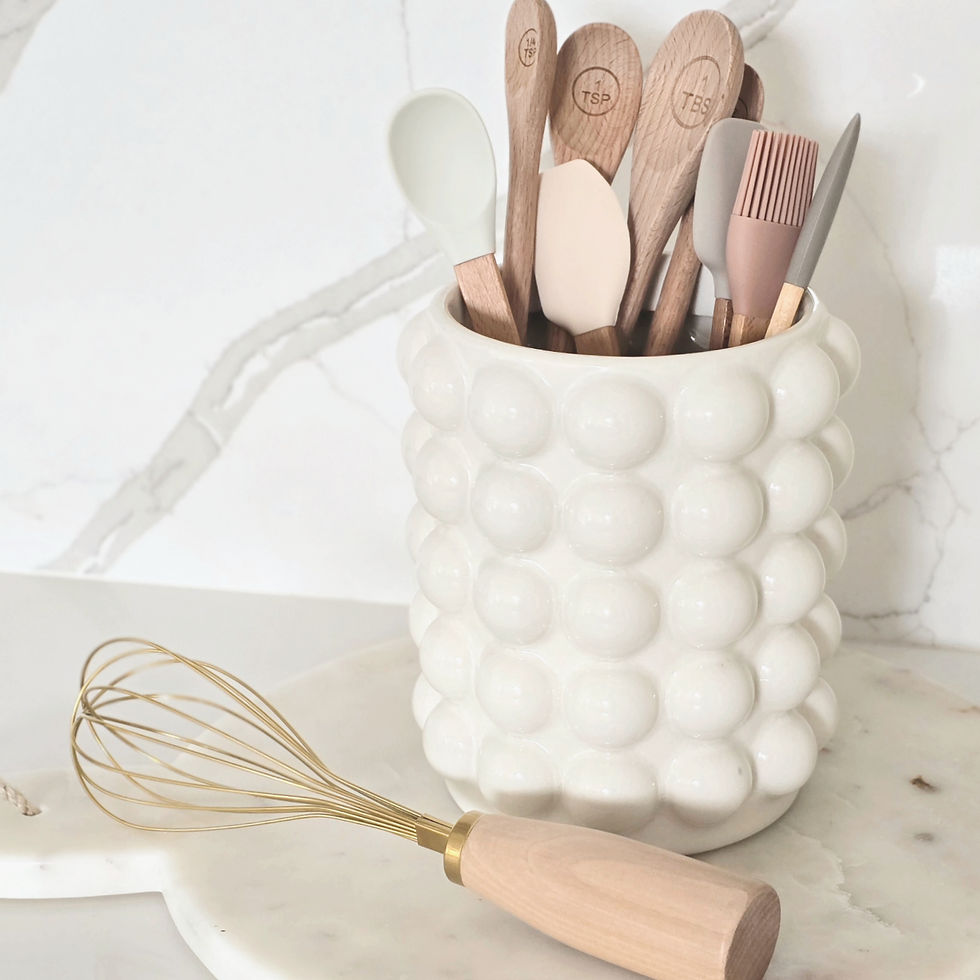
Cookware usually feels most at home when it connects with the rest of the kitchen rather than standing apart from it. Natural wood utensils, simpler tableware, neutral textiles, and thoughtfully chosen serving pieces can all help reinforce a more cohesive material story. If you are already investing in safer pots and pans, it makes sense to think about how those pieces relate to the broader kitchen setup. The result often feels more intentional and more enjoyable to use.
This is another place where related internal links can be helpful. If you are interested in organic cookware and non-toxic cookware, you may also want to explore lead-free dinnerware and learn more about what VOCs are as part of a broader healthy-home kitchen upgrade. Thinking in connected categories usually leads to better choices than treating every product as isolated. In many homes, that wider perspective makes the kitchen easier to build thoughtfully.
Buy the Most Practical Beautiful Option
Some cookware looks great in product photos but does not feel nearly as appealing after weeks of real cooking, real cleanup, and real storage. A better choice is usually the piece that still looks good while fitting your actual routine. That might mean a stainless steel skillet you use constantly, a durable stockpot that handles weekly meals with ease, or a pan with a finish you genuinely enjoy maintaining. Practical beauty tends to age better than novelty.
This is part of what makes the safest non toxic cookware such a personal decision. The best option is not only about technical performance or marketing language. It is about whether the cookware actually supports your kitchen life without becoming a hassle. In most cases, the pans that are easiest to live with are the ones that stay in use the longest.
Build a Collection That Feels Worth Keeping
The strongest cookware collections are usually the ones that support real daily cooking without constant frustration or replacement. When your pots and pans work well, look good in the kitchen, and fit your lifestyle, they become tools you genuinely want to keep. That supports both a healthier food-contact environment and a more sustainable home overall. Long-term satisfaction is one of the best signs you bought well.
This is the wrap-up principle behind the whole page. Non-toxic cookware and eco-friendly pots and pans work best when they are chosen for long-term use rather than quick replacement. Whether you are building a full set slowly or just upgrading one high-use skillet at a time, the goal is the same. A healthier kitchen usually starts with cookware you trust and keep reaching for.
FAQs About Non-Toxic Cookware and Safe Nonstick Pans:
What is the safest non-toxic cookware?
The safest non toxic cookware for one household depends on how that household cooks, cleans, and uses its pans. In general, many people feel most confident with cookware that clearly explains the cooking surface, uses durable materials, and does not rely on vague “healthy” claims without meaningful detail. A good sign is a brand that is transparent about the pan’s construction, how it performs under heat, and what kind of care it needs. Clarity is usually one of the strongest indicators of a cookware option that feels safer and easier to trust.
The key is to look at the whole picture rather than searching for one perfect material in the abstract. A pan that fits your cooking style and stays in good condition through regular use is often a better choice than one with excellent marketing but poor real-life function. The safest cookware is usually cookware you can use properly, clean consistently, and keep for a long time. In practice, that combination often matters more than any single buzzword.
Is stainless steel a good option for non-toxic cookware?
Stainless steel is often one of the strongest options for non-toxic cookware because it is durable, widely used, and generally easier to understand than pans built around vague coating claims. It performs especially well for sautéing, browning, simmering, and everyday stovetop cooking, and it tends to hold up well over time when cared for properly. For many households, stainless steel also supports a lower-waste kitchen because it does not need to be replaced as often as shorter-lived cookware. That mix of performance, clarity, and longevity is a big reason it remains such a popular choice.
At the same time, the best cookware still depends on how you cook. Stainless steel may take a little more practice than some other surfaces, especially at first, but many people find that the learning curve is worth it for a pan that feels durable and trustworthy. In a stainless-steel-first collection, it can make sense to build around the pieces you use most often and add other cookware types only where they serve a specific purpose. For many kitchens, that leads to a simpler and more satisfying setup overall.
What is the difference between non-toxic cookware and organic cookware?
Non-toxic cookware usually focuses on reducing potentially harmful substances, clearer food-contact surfaces, and overall material transparency. Organic cookware is a broader and less standardized phrase in this space, and many people use it to describe cookware that feels more natural, less heavily treated, or more aligned with healthy-home values. The two ideas can overlap, but they are not always technically interchangeable. That is why it helps to look at the actual materials and construction rather than relying on the label alone.
For most people, non-toxic cookware is the more practical term because it points more directly to what matters in daily use: what touches the food, how the cookware behaves under heat, and how clearly the product is explained. Organic cookware may still be a useful shopping phrase, especially when it reflects a broader interest in healthier kitchen materials. Still, clarity should matter more than wording. A well-described pan is usually more helpful than a loosely defined label.
Should I buy a non toxic pots and pans set or build it piece by piece?
For many households, building a collection piece by piece is the better long-term approach. It lets you focus on the pans you actually use, compare materials more thoughtfully, and avoid ending up with extra pieces that take up space but rarely leave the cabinet. This is especially helpful when shopping for a non toxic pots and pans set, since bundles can sometimes include several items you do not really need. Starting slowly can make the whole process feel more practical and less overwhelming.
That said, a set can still work well if it matches your actual cooking habits and offers strong material transparency across every piece. The most important thing is not whether the cookware comes in a box together. It is whether the pieces make sense for your kitchen and will keep getting used over time. In many homes, fewer better pans are more valuable than a larger matching collection.
Are eco friendly pots and pans better for indoor air quality?
Eco friendly pots and pans can support a healthier-feeling kitchen when they are made with clearer materials, durable construction, and fewer questionable coatings or treatments. Because cookware is heated repeatedly, many people care not only about food contact but also about how the kitchen feels during everyday cooking. That does not mean every pan has a major effect on air quality by itself, but material transparency and lower-emission priorities can still matter in a room shaped by heat, steam, and ventilation. This is one reason healthier-home shoppers often connect cookware choices to the broader indoor environment.
If indoor air quality is one of your concerns, it helps to think about cookware as part of a larger kitchen system rather than one isolated purchase. Ventilation, cooking habits, surface materials, and the rest of the food-contact setup all play a role. That is why related resources like why indoor air quality matters can be useful alongside cookware shopping. In many homes, better cookware becomes one part of a more intentional kitchen overall.