


Minimalist organic side tables & natural wood console tables
Focus on flow when choosing an organic side table. A natural wood console table should greet you with warmth & charm. Cleaner finishes, thoughtful materials, these are cornerstones for a healthier home.




YOU MIGHT ALSO LIKE





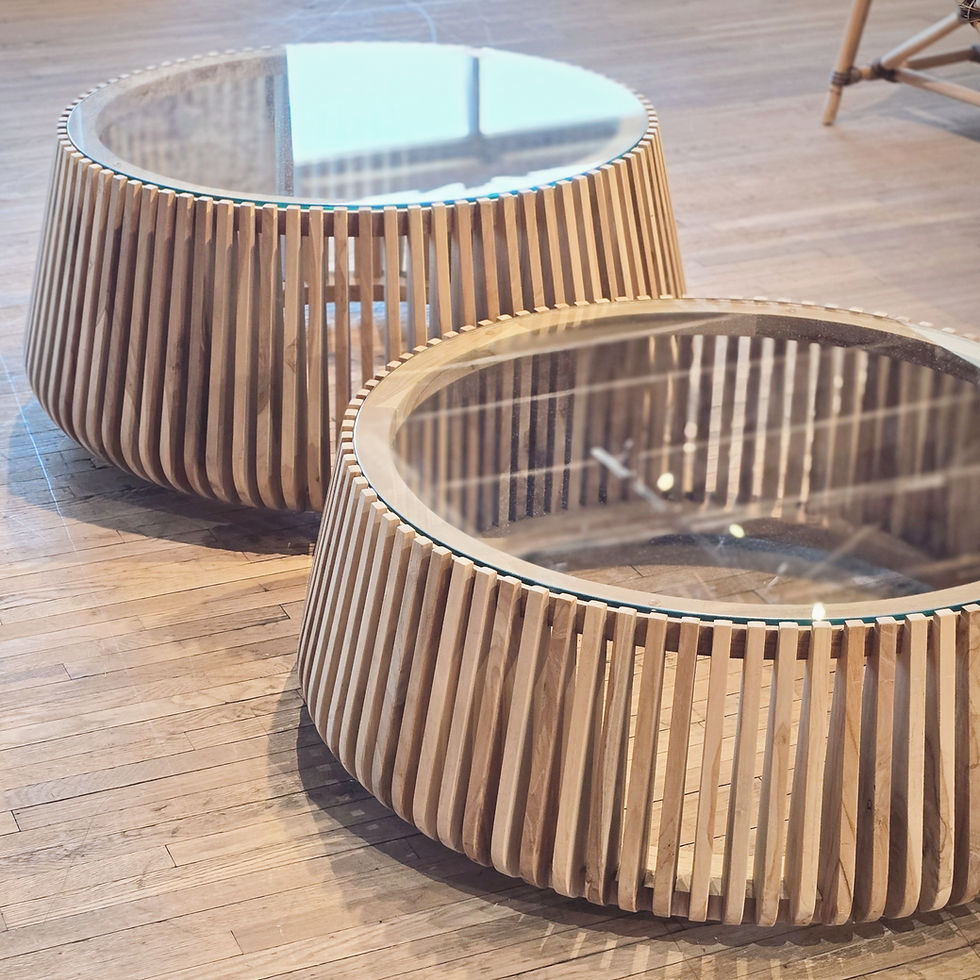


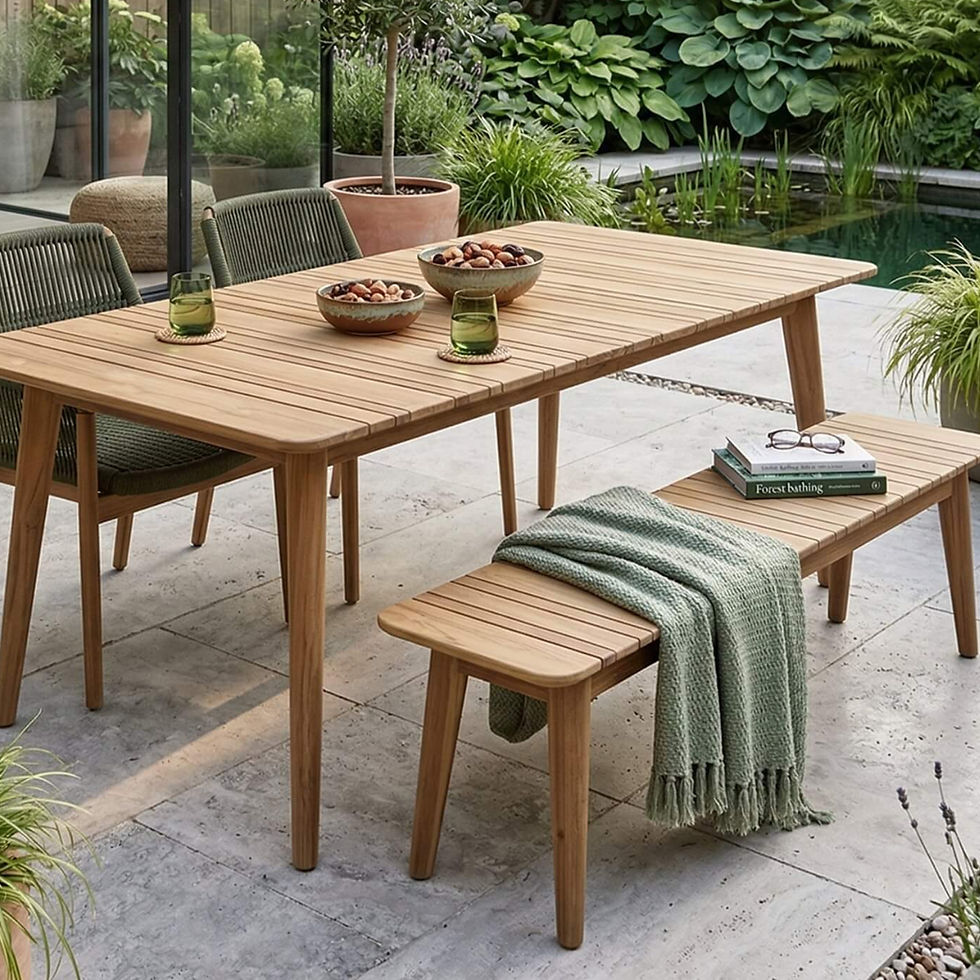


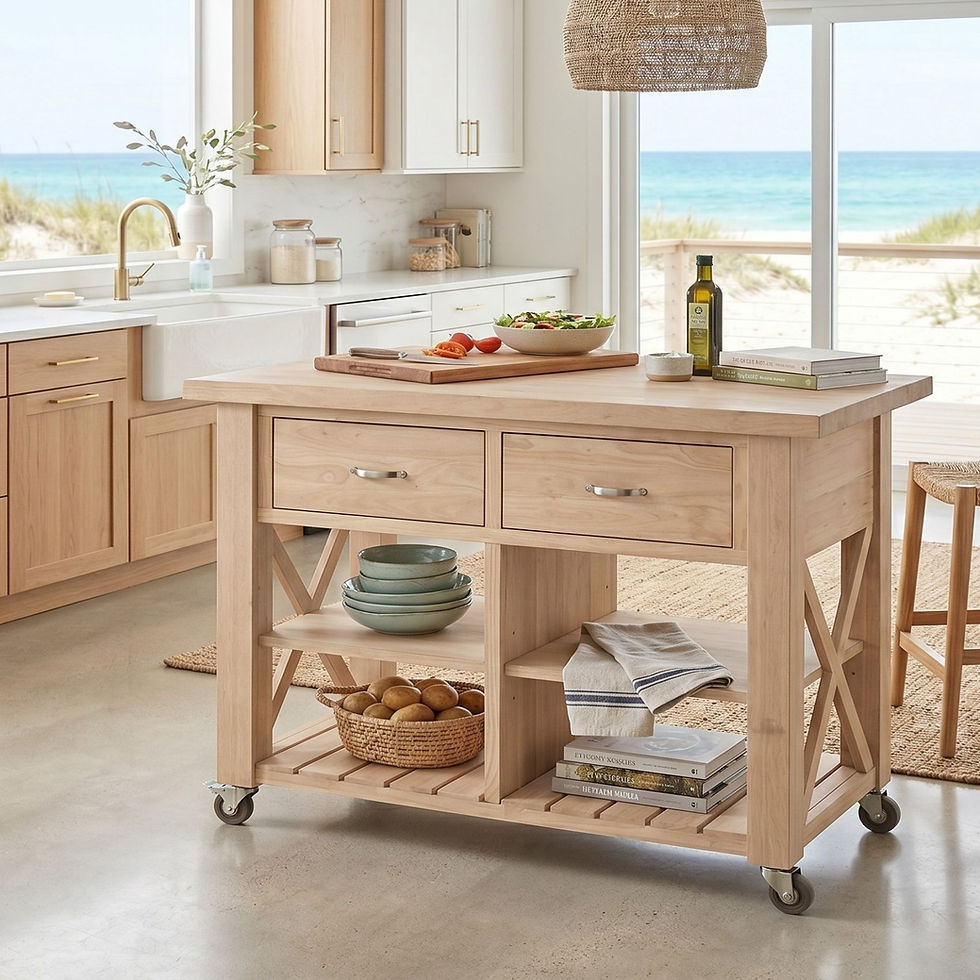


What Makes a Side Table or Console Table Organic, Natural, and Eco Friendly?
Real hardwood, straightforward materials and less treatments and finishes are a good place to start when looking for natural, organic and eco-friendly furnishings. What gives these pieces their appeal is usually not one label but the way the materials, finishes, and construction all come together.
The 'less is more' approach is rooted in mindful living, and it's relatively easy to follow when furniture shopping. Look at the wood itself. Is it simply solid wood, or a concoction molded into a composite with glues. Does the piece have any stains, sealants, or paints? Do these coatings have any chemical fumes (VOCs) or strong odors? Less of those is also better for a healthier home. The best options for consoles and accent tables in the home are the ones that pair real natural materials with clean finishes and mindful construction.
A side table with real materials and thoughtful finishes. Furniture design that feels relaxing, functional, and lasting. A console table made from quality materials and healthy finishes. These are the ones that will prove to be the most timeless and sustainable over time..
When shopping for a healthier side table or console table, qualities to look for are:
Why Choose a Modern Organic Side Table or Natural Console Table?
Console tables and side tables may be smaller than sofas, beds, or dining tables, but they shape how a room functions on the daily. A side table gives you a place to set down a cup, lamp, or book, while a console table can anchor an entryway, define a hallway, or add storage and structure behind a sofa or along an open wall.
Because these pieces are so visible and so useful, they can have an outsized effect on whether a room feels intentional or unfinished. Choosing a modern organic side table or natural console table can make that everyday function feel more cohesive and more grounded.
Choosing designs like modern organic side tables, natural wood console tables, and organic modern console tables, allows you to:
-
introduce real wood and warmer material contrast
-
avoid overly synthetic or heavily treated furniture
-
choose simpler furniture pieces for a healthier home
-
create a grounded, organic modern look
-
invest in versatile pieces as the home evolves
These tables also work well as part of a larger healthy-home material story. If you are already leaning toward natural wood flooring and cabinets, softer shapes for your decor, and calmer finishes in your space, a natural side table or organic console table can help reinforce that direction without adding visual clutter.
Smaller furniture pieces are often the easiest place to make a design shift because they are highly visible but relatively flexible. In many homes, they are some of the simplest upgrades that make a room feel complete.

Practical tips for choosing organic side tables & console tables:
Start With the Room’s Real Function First
Before choosing a table style, think about what the table actually needs to do in the room. A side table next to a sofa may need to hold drinks, books, or a lamp, while one beside a bed may need enough surface area for nightly essentials. A natural wood console table in an entryway may act as a drop zone, while one behind a sofa may be more about balance and display. Starting with function helps narrow the right size, shape, and storage features quickly.
This is also one of the best ways to avoid buying smaller furniture pieces that look nice but do not really improve the room. A table that matches the room’s real use almost always feels more satisfying over time. Once the purpose is clear, decisions about scale, shelf space, and finish become easier. Good design usually begins with honest use.
Pay Attention to Materials and Finishes, Not Just Shape
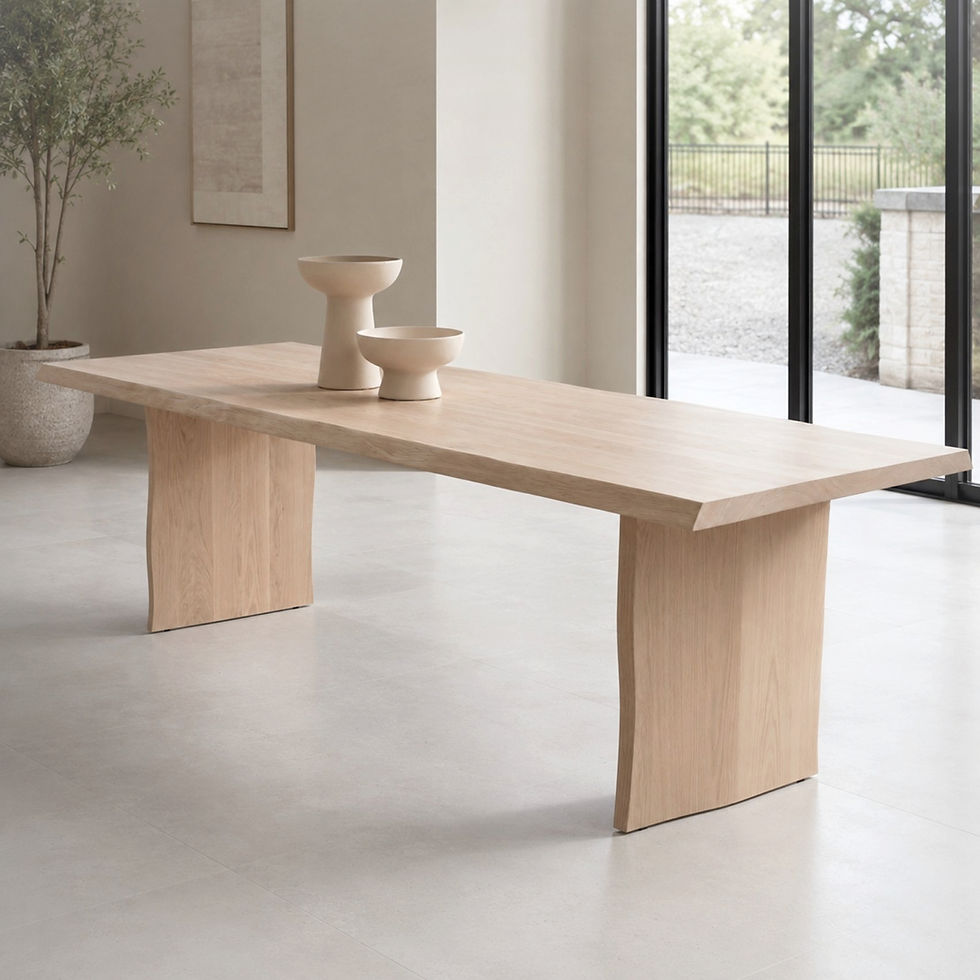
In this category, the silhouette often gets attention first, but the material and finish usually determine whether the table actually feels right in a healthier home. Natural wood, lower-tox finishes, and more straightforward construction often feel easier to evaluate than highly coated, heavily distressed, or composite-heavy alternatives. That does not mean every simple table is automatically the best option, but it does mean material clarity matters. In many rooms, that clarity is what gives a piece its lasting appeal.
This is especially important for tables that live in high-visibility locations. Side tables and console tables are often placed right at eye level, close to seating, or near entry points where they shape first impressions of the room. A well-finished natural side table usually looks calmer and more grounded than something with a more artificial or trend-driven surface treatment. Over time, those choices tend to age better both visually and practically.
Let Scale Do More Work Than Trend Details
A small table can still throw a room off if the scale is wrong. A side table that is too bulky can crowd seating, while one that is too small may feel disconnected or underpowered next to a sofa or chair. A console table that is too deep can interrupt flow in an entryway or hallway, while one that is too short may feel visually unfinished. Proportion is often what makes a simple table feel expensive and intentional.
This is one reason organic modern furniture tends to look best when it is restrained. Instead of relying on highly specific detailing or novelty shapes, it often lets size, line, and material do most of the design work. That makes the piece easier to live with and easier to move into other rooms later if needed. Good scale is one of the quietest but strongest design tools you can use.
Think About Flexibility Before You Commit
One of the best qualities in a sustainable furniture piece is the ability to work in more than one room over time. An organic side table that functions well beside a sofa may later work as a nightstand, a plant stand, or a small accent table in a hallway. A natural console table might begin in an entryway and later move behind a sofa or along a dining room wall. That kind of flexibility makes the purchase more useful and more sustainable in practice.
This matters because smaller furniture often moves around the home as needs change. A versatile table is less likely to be replaced just because the room gets rearranged or your layout evolves. That means style flexibility and practical flexibility often go hand in hand. In many homes, the best accent furniture is the kind you can keep finding new uses for.
Use Storage Thoughtfully, Not Automatically
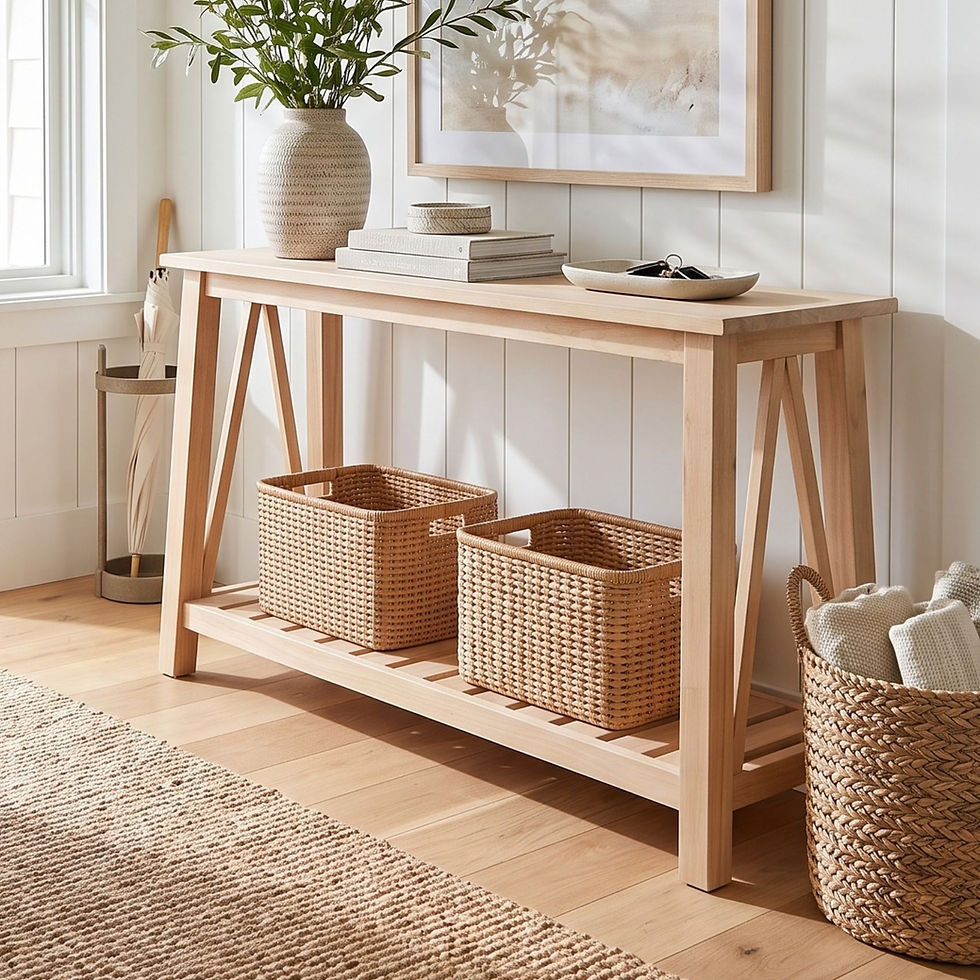
Not every table needs shelves or drawers, but when storage is included, it should support the way the room is actually used. A drawer in an entry console may be useful for keys and mail, while an open lower shelf can work well for baskets, books, or a small stack of folded throws. On the other hand, too many compartments can make a small table feel heavier than it needs to be. The right amount of storage depends on the space and the role the table is playing.
This is another place where practical design matters more than feature overload. In organic modern rooms, smaller furniture tends to look best when storage feels integrated rather than busy. A clean-lined organic modern console table with one useful lower shelf may feel much stronger than a more complicated piece that tries to do everything. Thoughtful restraint often makes the room easier to maintain too.
Match the Table to the Material Story of the Room
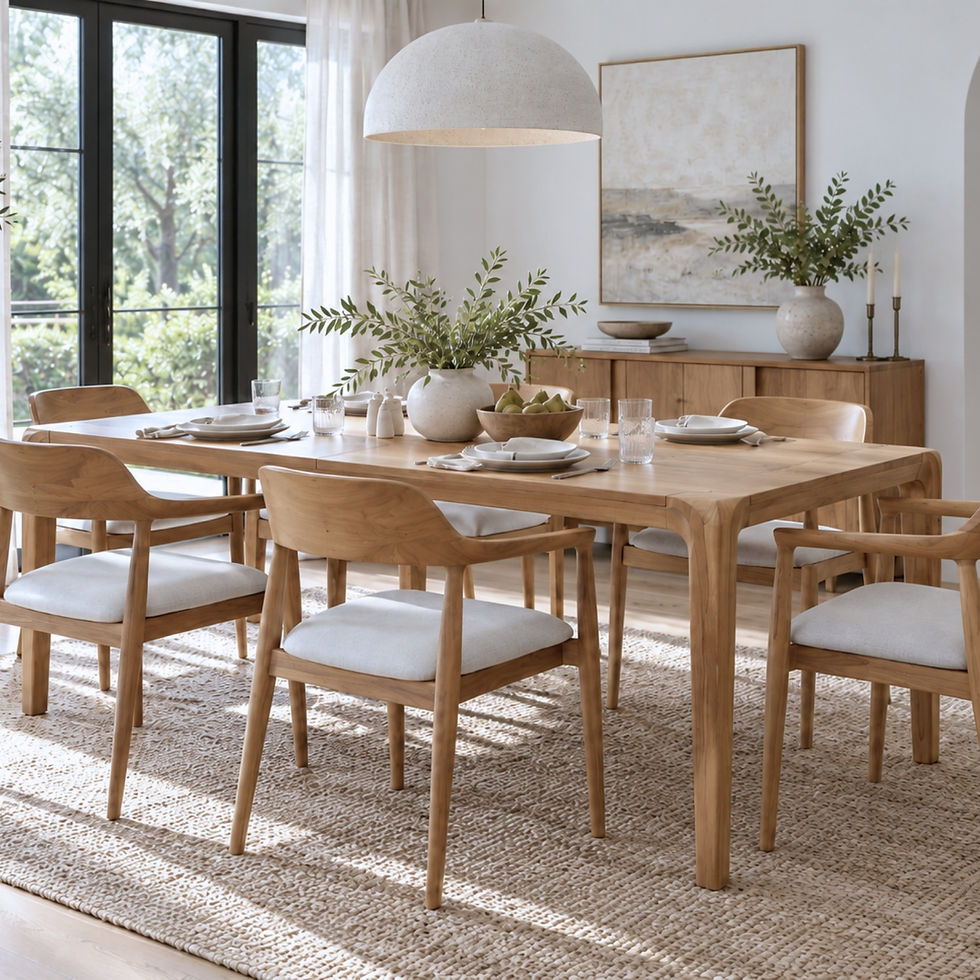
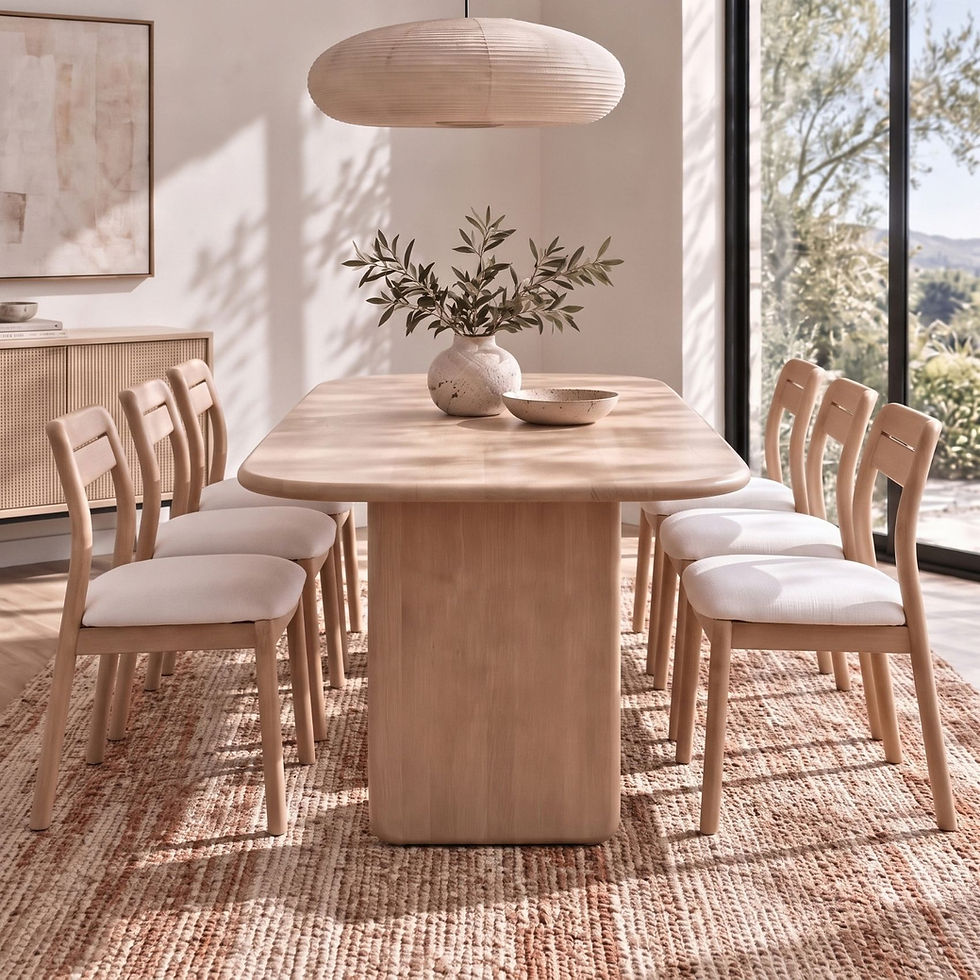
A side table or console table usually feels strongest when it connects with the rest of the room’s materials. If the space already includes warm wood tones, natural textiles, woven textures, or softer organic forms, choosing a table that reinforces those ideas can make the room feel more complete. This is especially true for organic modern side tables and console tables, which tend to work best as part of a broader design language. Repetition often creates calm.
This is also where internal links fit naturally into the content. Shoppers interested in a natural side table or organic console table may also want to browse modern organic seating, organic modern tables, natural wood shelving, and organic mirrors to continue the same material direction throughout the space. Smaller pieces usually look best when they feel connected to the room around them. A good table helps the whole room feel more resolved.
Designer tips for styling natural side tables and organic console tables:
Use Side Tables to Soften Seating Areas
A side table is often the closest furniture piece to the way you actually relax in a room. It holds the cup you set down, the lamp you turn on at night, or the book you reach for while sitting. Because it is so close to everyday use, an organic side table can make a seating area feel more complete without taking over visually. It adds function in a way that is immediate and easy to appreciate.
This is why natural side tables often work so well in healthier, calmer interiors. They support comfort while introducing a grounded material that offsets upholstered seating and softer textiles. Even a very simple table can make the seating arrangement feel more finished. In many living rooms, this is one of the most effective small upgrades you can make.
Let Console Tables Create Structure in Transitional Spaces
Console tables are especially useful in areas that can otherwise feel undefined, such as entryways, hallways, or the wall behind a sofa. A natural console table can create structure in these spaces by giving the eye a clear anchor and giving the room a surface that feels purposeful. It can also help connect furniture groupings so the layout feels less accidental. This is one reason console tables are often as important visually as they are practically.
They are also a good way to add warmth to spaces that might otherwise feel flat or unfinished. A wood console table with a grounded finish can immediately make an entry or passageway feel more welcoming. That effect is especially strong in homes that lean organic modern, where even transitional spaces benefit from softer materials and a more intentional rhythm. A good console table often makes the whole layout feel more resolved.
Keep Styling Simple Enough to Let the Materials Show
Smaller tables often look best when they are not overloaded. A lamp, a stack of books, a small vase, or one meaningful object can be enough to make the piece feel complete without hiding the material qualities that made you choose it in the first place. This is especially true for natural wood console tables and organic side tables, where the wood tone, grain, and finish are often part of the appeal. Simplicity lets those details do more work.
This also helps the room feel calmer overall. When styling is too crowded, small tables can start to feel cluttered faster than larger furniture pieces do. A cleaner surface makes the table more usable and more visually restful at the same time. In organic modern interiors, restraint usually makes the strongest impression.
Repeat Natural Materials and Shapes Across the Room
Organic modern rooms often feel best when a few material themes repeat in subtle ways. If the side table has a warm wood finish or softly rounded shape, repeating that idea in shelving, mirrors, seating, or a coffee table can make the room feel more intentional. Exact matching is not necessary, but related tones and forms help the space feel connected rather than pieced together. This kind of repetition creates the quiet rhythm that organic interiors do so well.
That is why related categories can be so useful when designing around a table. Shoppers exploring natural console tables may also want to browse natural wood shelving, organic mirrors, and modern organic seating to reinforce the same mood. These pieces work together visually even when they serve different functions. That is often what makes a room feel settled instead of staged.
Choose the Most Practical Beautiful Option
Some accent tables photograph beautifully but do not live especially well. Very delicate legs, awkward proportions, or highly trend-driven finishes can become frustrating once the table has to function in daily life. A stronger choice is often the one that still feels beautiful while offering stable surfaces, usable scale, and a design that can work through layout changes. Practical beauty usually lasts longer than novelty.
This is part of what makes an eco-conscious or eco-friendly side table feel more satisfying when chosen well. The best piece is usually not the one making the loudest statement. It is the one that supports the room gracefully and still feels right after the initial excitement wears off. Furniture that earns its place tends to stay in the home longer.
Build the Room Around Warmth, Usefulness, and Long-Term Flexibility
The best put-together rooms are the ones that feel good to live in every day, not just the ones that look complete in a single photo. Organic side tables, natural wood console tables, and organic modern console tables can support that by adding warmth, function, and a more grounded material presence to the space. When those smaller pieces are chosen thoughtfully, they often make the whole room feel better organized and more intentional. Small furniture can have a surprisingly large effect.
This is the wrap-up principle behind the page. A natural side table or sustainable console table works best when it supports a room that feels warmer, calmer, and more useful over time. Whether you are styling an entryway, bedroom, living room, or hallway, the goal is the same. The right table should make the room easier to use and more like the home you want to create.
FAQs:
Organic Side Tables and Natural Console Tables
What is the difference between an organic side table and a natural side table?
A natural side table usually emphasizes the fact that the piece is made from real natural materials, especially wood or other more straightforward material choices that feel easier to understand and integrate into a healthier home. An organic side table can overlap with that, but it often suggests that the table is made from natural materials while also fitting a softer organic modern design language. In this category, both terms are meant to point to actual material choices rather than furniture that only imitates a natural look. The difference is usually more about emphasis than a strict product divide.
For many shoppers, natural side table sounds slightly more material-focused, while organic side table suggests both material quality and a warmer, more sculptural style. In practice, the best choice is usually the one that uses real materials you feel good about and fits the room in a lasting way. That is also why both terms often overlap with eco-friendly and healthier-home priorities. A well-made table should feel grounded in both design and construction.
What makes a console table eco friendly or sustainable?
An eco-friendly console table or sustainable console table is usually one that combines real materials, more thoughtful finishes, durable construction, and a design that feels worth keeping for years. Since console tables often live in high-visibility areas and tend to stay in the home for a long time, longevity matters a lot in this category. A natural wood console table that still works as your room changes is often a more sustainable choice than something trend-driven that quickly feels disposable. Durability and design relevance matter just as much as the sourcing language.
It also helps to think about how flexible the piece is. A console table that can move from an entryway to behind a sofa or into a hallway is more likely to stay useful over time. That kind of adaptability often leads to longer ownership and less unnecessary replacement. In many homes, sustainability comes from lasting usefulness as much as from materials alone.
How do I choose the right size natural wood console table?
The right size depends on where the console table will live and how people move around it. In an entryway or hallway, depth matters a lot because you want the table to feel useful without interrupting flow. Behind a sofa, the width and height need to relate well to the seating so the table feels connected rather than random. Good proportions usually make even a simple natural wood console table feel more intentional and more expensive.
It also helps to think about whether the table is mostly for display, storage, or everyday use. If it needs to hold lamps, baskets, or daily essentials, surface area and lower-shelf options may matter more. If it is mainly shaping the room visually, a slimmer profile may work beautifully. In most spaces, the right size makes the whole room feel calmer and more resolved.
Are organic modern side tables good for bedrooms as well as living rooms?
Yes, organic modern side tables can work beautifully in both bedrooms and living rooms because they tend to combine function with softer, more grounded design. In a living room, they often support seating areas by holding lamps, drinks, books, or décor. In a bedroom, they can work as nightstands or accent tables while reinforcing the same natural-material story. Their flexibility is part of what makes them such a strong fit in both kinds of rooms.
This kind of versatility is one reason these pieces are often easier to keep long term. A side table that works well beside a sofa today may work next to a bed later or move into another room entirely. That makes the purchase more sustainable and often more worthwhile. In many homes, the best smaller furniture pieces are the ones that can evolve with the layout.
What other categories pair well with organic side tables and natural console tables?
These tables usually work best when they are part of a broader room story rather than isolated accent pieces. Furniture and décor made from natural wood, warm textures, and simpler finishes often make them feel more connected and intentional. If you are already shopping for an organic modern side table or natural console table, it may also help to browse modern organic seating, organic mirrors, natural wood shelving, and organic modern tables. Those categories naturally reinforce the same design direction.
Thinking in connected categories also makes the room easier to build over time. Instead of relying on one piece to carry the whole look, you create a space where finishes, shapes, and materials support each other. That tends to lead to calmer, more flexible interiors. In many homes, the right table becomes clearer once you think about the larger material story of the room.