

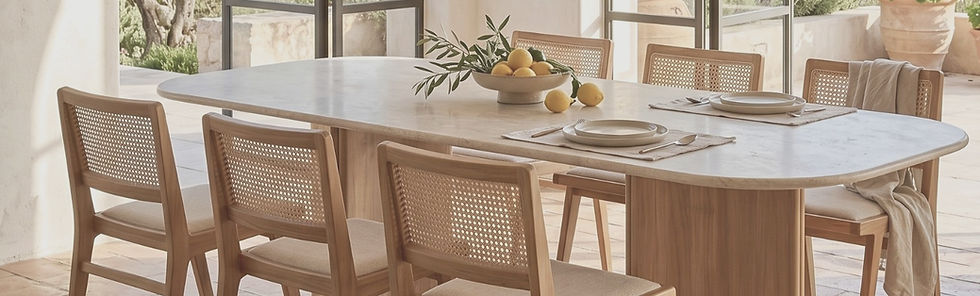
Modern Organic Dining Tables & Natural Wood Dining Tables
CRAFTED FOR HEALTHIER HOME LIVING
Rooted in nature and built for connection, an heirloom natural wood dining table should support a healthier home—for memorable gatherings, daily rituals & all the moments that matter.
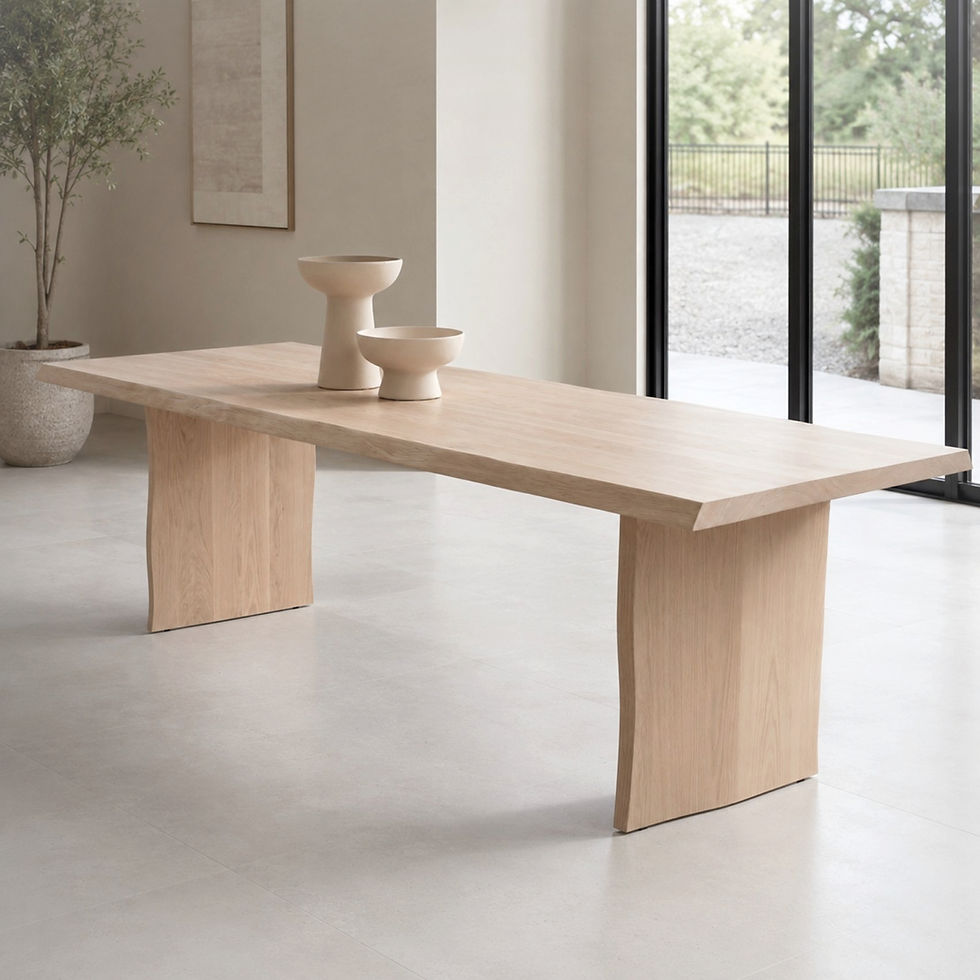


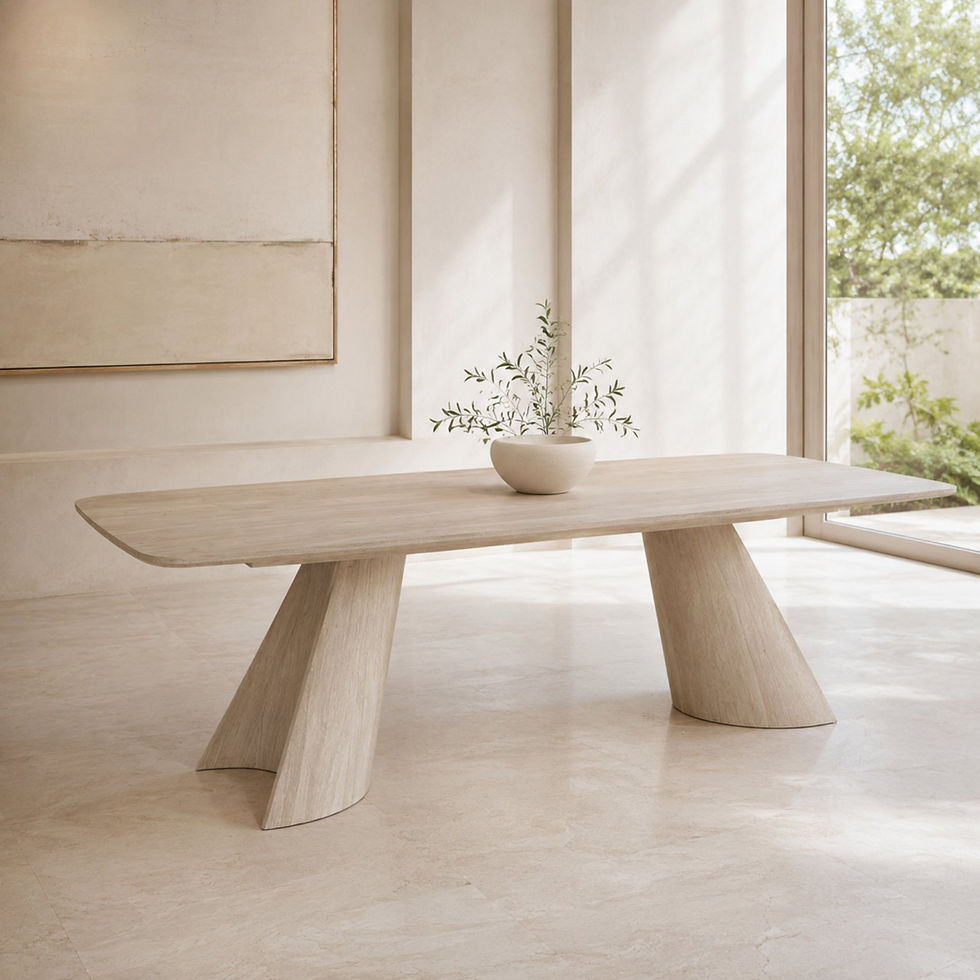


YOU MIGHT ALSO LIKE


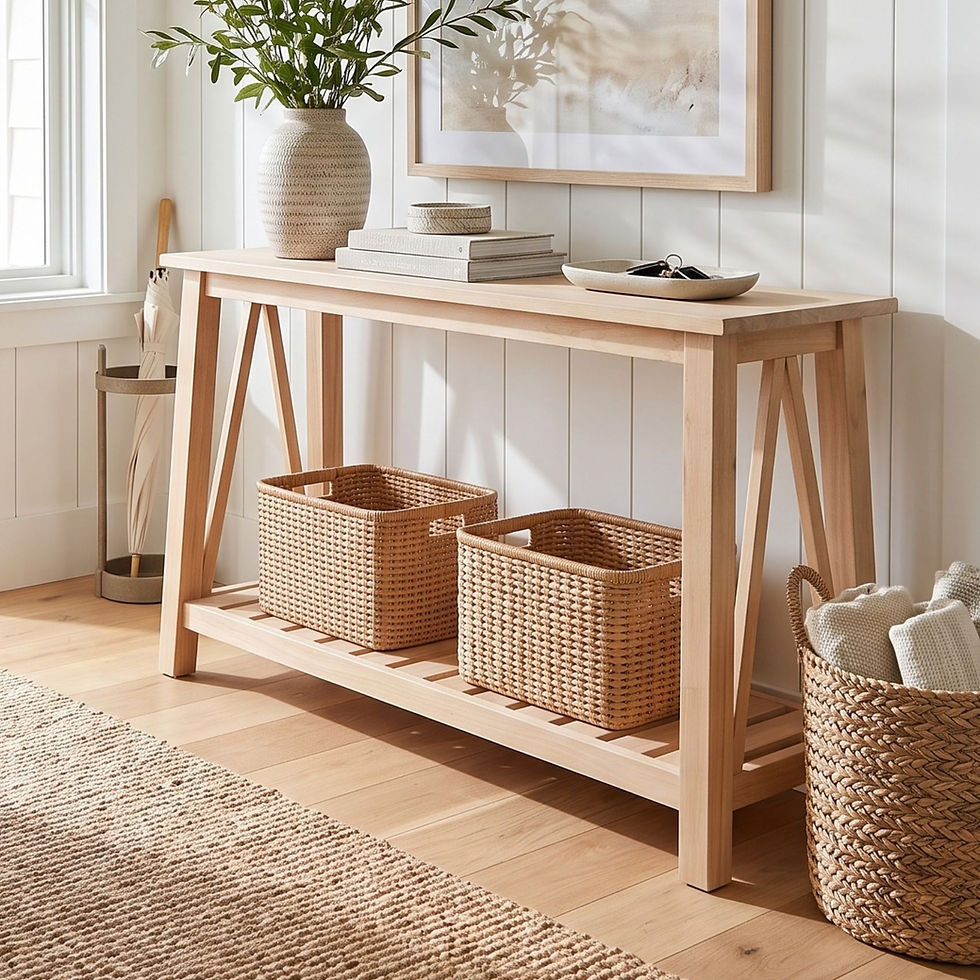


What Makes a Dining Table Organic, Natural, and Eco Friendly?
A healthier dining table is usually less about one label and more about the materials, finishes, and construction behind it. Many people are drawn to dining tables made from real wood or other more straightforward materials rather than heavily synthetic surfaces or overly processed decorative pieces.
The details that usually matter most are the wood itself, the stains, sealants, adhesives, and how well the table fits into a healthier home overall. In practice, the strongest options usually combine real natural materials, more thoughtful finishes, and construction that still feels relevant years from now.
Look for these qualities when shopping for a healthier dining table:
-
real solid hardwood and straightforward materials
-
safe furniture finishes, with no solvents
-
thoughtful construction for long-term daily use
-
durable materials that are easy to maintain
-
avoid synthetic or treated dining furniture
-
avoid MDF, particle board & most veneers...
(these absorb moisture and offgas formaldehyde)
Whether you're drawn to the softer, warmer look of organic modern furniture, or prefer traditional pieces for your dining room, there's some common denominators for picking out a dining room table. At the end of the day, natural materials, thoughtful finishes, and a design that feels calming and timeless to you, are useful deciding factors.
Materials like MDF, particle board, and veneers pasted over cheap wood are very common in dining tables. These should be avoided. They are common because they're cheaper to manufacture than solid natural wood, metal and glass and are known to offgas formaldehyde and other chemical fumes. We always suggest sticking with natural materials and minimal finishes. The goal in a healthy home is to invest in heirloom furniture pieces that will be a part of your home for many years to come.
Why Choose a Modern Organic Dining Table or Sustainable Wood Dining Table?
Dining tables often anchor our most used shared spaces in the home. They are where meals happen, conversations stretch out, projects come to life, and everyday routines gather in one place. Because of that, a modern organic dining table or sustainable wood dining table can have an outsized impact on how a room feels and functions. It is one of the clearest opportunities to bring healthier-home priorities into a central, high-use piece of furniture.
No matter the shape, size or color—natural wood dining tables, organic modern dining tables, and sustainable dining tables should all support your household needs. When choosing the best dining table for you, consider a table...
-
in neutral, timeless colors (won't go out of style)
-
with enough seating for your family + guests
-
that accommodates dining chairs that you like
-
that fits your space (round vs rectangle)
-
that's both durable and heirloom-worthy
-
for your dinnerware, glassware & flatware
-
for family style meals & serving dishes
Dining tables also help set the tone for the rest of the room. If you are already leaning toward natural materials, softer shapes, and quieter finishes, a natural wood dining table can reinforce that direction without adding visual clutter for a more grounded, organic modern look .
It can also make the room feel more welcoming and more settled, especially when the table is chosen for both everyday use and long-term flexibility. This is one of the most important furniture upgrades because it affects both function and atmosphere at the same time.

Practical Tips for Choosing Dining Tables That Work in Real Life
Start With the Way the Table Will Really Be Used
Before comparing styles, think honestly about what the dining table needs to do in your home. Some tables are mainly for meals, while others double as homework stations, work-from-home surfaces, craft tables, or gathering spots throughout the day. The more clearly you understand the role of the table, the easier it becomes to choose the right size, finish, and shape. A dining table that matches real household habits almost always feels more successful in the long run.
This also helps keep the decision grounded instead of purely aesthetic. A beautiful organic dining table still needs to support the pace of everyday life, whether that means frequent wiping, kid-heavy use, dinner parties, or quiet daily meals. Once the function is clear, choices about material, edge profile, and seating capacity become easier. Good design usually begins with honest use.
Pay Attention to Materials and Finishes, Not Just the Silhouette
Shape matters, but material and finish usually determine whether a dining table actually feels right in a healthier home. Real wood, lower-tox finishes, and more straightforward construction often feel easier to evaluate than highly coated, heavily distressed, or composite-heavy alternatives. That does not mean every wood table is automatically the best option, but it does mean material clarity matters. In many dining rooms, that clarity is what gives a table its lasting appeal.
This is especially important because dining tables are both highly visible and heavily used. They are touched constantly, cleaned often, and expected to hold up through years of meals and daily activity. A well-finished natural wood dining table usually looks calmer and more grounded than something with a more artificial or trend-driven surface treatment. Over time, those material choices tend to age better both visually and practically.
Let Proportion Guide the Table Before Details Do
A dining table can be beautifully made and still feel wrong in the room if the scale is off. A table that is too large can crowd circulation and make dining feel cramped, while one that is too small can leave the room feeling disconnected or underfurnished. Width, length, and leg placement all affect whether chairs fit comfortably and whether people can move around the room easily. Proportion is often what makes a dining table feel settled rather than forced.
This is one reason modern organic dining tables tend to look strongest when their proportions do most of the design work. Instead of relying on overly decorative bases or short-lived details, they often let scale, line, and material define the piece. That makes the table easier to live with and easier to keep relevant as the room evolves. Good proportion is one of the quietest but strongest design tools you can use.
Think About Seating Before You Finalize the Shape
A dining table is never just the table itself. The way chairs tuck in, how many people fit comfortably, and whether the leg placement supports easy seating all matter just as much as the tabletop. A beautiful table that does not accommodate the right number of seats or makes everyday use awkward can quickly become frustrating. This is especially important in rooms where the dining area also serves other purposes throughout the day.
Thinking about seating early usually leads to better decisions and fewer compromises later. It can also help you decide between round, oval, rectangular, or extension styles depending on how the room is used. If you are building around a softer, more natural look, it may also help to browse modern organic seating so the table and chairs feel connected rather than mismatched. In many rooms, the table works best when the seating is part of the plan from the beginning.
Choose a Finish That Fits Your Real Maintenance Habits
The right dining table should fit your actual tolerance for care and cleanup. Some households are comfortable with a table that shows a little wear and patina over time, while others need a surface that handles daily wiping, spills, and heavier use with less fuss. That does not mean choosing the most sealed or heavily treated look possible. It means being honest about how the table will really be used and cared for.
This matters because even the most beautiful sustainable dining table will not feel satisfying if the finish becomes a constant source of stress. A table that works with your routine is more likely to stay in good condition and stay in use long term. That supports both healthy-home and sustainability goals at the same time. In most homes, better furniture decisions come from choosing what you can truly live with.
Match the Table to the Material Story of the Room
Dining tables usually feel strongest when they connect with the rest of the room’s materials. If the space already includes warm wood tones, natural textiles, woven textures, or quieter organic forms, choosing a table that reinforces those ideas can make the room feel more complete. This is especially true for modern organic dining tables, which tend to work best as part of a broader design language. Repetition often creates calm.
This is also where internal links fit naturally into the page. Anyone interested in a natural wood dining table or organic modern dining table may also want to browse modern organic seating, organic mirrors, natural wood shelving, and organic modern tables to continue the same material direction throughout the space. A good dining table often looks best when it feels connected to the room around it. That is usually what makes the whole space feel more resolved.
Designer Tips for Styling Natural Wood Dining Tables in a Healthier Home
Let the Table Become the Warm Core of the Room
A dining table often acts as the visual center of the dining area whether the room is large or small. A natural wood dining table can add warmth in a way that immediately softens flooring, walls, and surrounding furniture. Even in minimal or lightly furnished spaces, the table can make the room feel more grounded and more lived in. That is part of why this piece carries so much design influence.
This is also one reason organic dining tables work so well in healthier homes. They create a sense of warmth and permanence without relying on overly decorative finishes or visual clutter. When the main table feels calm and grounded, the whole room tends to follow that lead. In many homes, this is the piece that makes the dining area feel complete.
Use Shape to Support the Mood of the Room
The shape of the table changes the feeling of the room more than people sometimes expect. Rectangular tables can feel architectural and grounding, while round or oval tables often soften the space and encourage a more relaxed flow. A modern organic dining table often leans into softer edges or simpler silhouettes that make the room feel more inviting without losing structure. Shape is one of the clearest ways to make the room feel either more formal or more relaxed.
This is especially helpful if the rest of the room is built around clean lines and natural materials. A gently rounded table can introduce warmth and movement while still keeping the overall design grounded. That subtle shift can make the room feel more comfortable and more social. In many spaces, shape is what gives an organic modern dining table its strongest appeal.
Keep the Surface Styled Lightly Enough to Stay Usable
Dining tables usually look best when they are not overloaded. A bowl, a vase, or one meaningful centerpiece can be enough to make the table feel intentional without making it harder to use. This is especially true for natural wood dining tables, where the grain, tone, and finish are often part of the appeal. Simplicity lets those qualities do more work.
This also helps the room feel calmer overall. When the table is styled too heavily, it can start to feel more like a display surface than a gathering place. A cleaner surface keeps the table flexible and makes everyday use easier. In organic modern dining rooms, restraint usually makes the strongest impression.
Repeat Natural Materials Across the Room
Dining rooms often feel most settled when a few material themes repeat in subtle ways. If the table has a warm wood tone or softly shaped edge, repeating that idea in seating, shelving, mirrors, or lighting can make the room feel more intentional. Exact matching is not necessary, but related tones and forms help the space feel connected rather than pieced together. This kind of repetition creates the quiet rhythm that organic interiors do so well.
That is why related categories can be so useful when designing around a table. Anyone exploring sustainable wood dining tables may also want to browse modern organic seating, organic mirrors, and natural wood shelving to reinforce the same mood. These pieces work together visually even when they serve different functions. That is often what makes a room feel settled instead of staged.
Choose the Most Practical Beautiful Option
Some dining tables photograph beautifully but do not live especially well. Delicate bases, awkward leg placement, or highly trend-driven finishes can become frustrating once the table has to support real meals, real movement, and real daily life. A stronger choice is often the one that still feels beautiful while offering durable surfaces, usable proportions, and a design that can work through future layout changes. Practical beauty usually lasts longer than novelty.
This is part of what makes an eco friendly dining table or sustainable dining table feel more satisfying when chosen well. The best piece is usually not the one making the loudest statement. It is the one that supports the room gracefully and still feels right after the initial excitement wears off. Furniture that earns its place tends to stay in the home longer.
Build the Room Around Warmth, Gathering, and Long-Term Use
The strongest dining rooms are usually the ones that feel easy to gather in every day, not just the ones that look complete in a single photo. Organic dining tables, natural wood dining tables, and organic modern dining tables can support that by adding warmth, function, and a more grounded material presence to the room. When the table is chosen thoughtfully, it often makes the whole space feel better organized and more welcoming. A dining table can have a surprisingly large effect on how a room is used.
This is the wrap-up principle behind the page. A sustainable dining table works best when it supports a room that feels warmer, calmer, and more useful over time. Whether you are furnishing a formal dining room, an eat-in kitchen, or a more flexible open-plan space, the goal is the same. The right table should make gathering feel easier and more natural.
FAQs:
Natural Wood Dining Tables & Organic Dining Tables
What is the difference between a natural wood dining table and an organic dining table?
A natural wood dining table usually emphasizes the fact that the piece is made from real wood or other more straightforward materials that feel easier to understand and integrate into a healthier home. An organic dining table can overlap with that, but it often suggests that the table is made from natural materials while also fitting a softer organic modern design language. In this collection, both terms are meant to point to actual material choices rather than furniture that only imitates a natural look. The difference is usually more about emphasis than a strict product divide.
For many people, natural wood dining table sounds slightly more material-focused, while organic dining table suggests both real material quality and a warmer, more sculptural style. In practice, the best choice is usually the one that uses real materials you feel good about and fits the room in a lasting way. That is also why both terms often overlap with eco-friendly and healthier-home priorities. A well-made table should feel grounded in both design and construction.
What makes a dining table sustainable or eco friendly?
An eco friendly dining table or sustainable dining table is usually one that combines real materials, more thoughtful finishes, durable construction, and a design that feels worth keeping for years. Since dining tables often live at the center of a room and are used constantly, longevity matters a lot in this part of the home. A sustainable wood dining table that still works as your household changes is often a better long-term choice than something trend-driven that quickly feels disposable. Durability and design relevance matter just as much as sourcing language.
It also helps to think about how flexible the piece is. A dining table that can adapt to changing seating, room layouts, or everyday uses is more likely to stay useful over time. That kind of adaptability often leads to longer ownership and less unnecessary replacement. In many homes, sustainability comes from lasting usefulness as much as from materials alone.
How do I choose the right size natural wood dining table?
The right size depends on the room, the number of people you want to seat comfortably, and how much circulation space you need around the table. In smaller rooms, depth and width matter because you want the table to feel useful without making the room feel crowded. In larger rooms, scale still matters because a table that is too small can feel visually disconnected. Good proportions usually make even a simple natural wood dining table feel more intentional and more expensive.
It also helps to think about how the table will be used beyond meals. If it needs to hold laptops, crafts, homework, or larger gatherings, the ideal size may be different than if it is mainly used for everyday dining. In many spaces, the right size makes the whole room feel calmer and more resolved. Good scale is usually what makes the table feel like it belongs there.
Are modern organic dining tables good for everyday family use?
Yes, modern organic dining tables can work very well for everyday family use as long as the material, finish, and scale fit the way the household actually lives. In many homes, these tables are used for far more than meals, which is why durability and ease of maintenance matter just as much as style. A table that looks beautiful but feels stressful to wipe down or use heavily is rarely the strongest choice. The best dining table is usually the one that supports real life while still making the room feel better.
This is one reason these pieces are often easier to keep long term. A modern organic dining table can feel warm, grounded, and visually lasting while still handling everyday routines. When the finish and shape are chosen thoughtfully, the table can move easily between casual daily use and more intentional gatherings. In many homes, that flexibility is exactly what makes the piece worthwhile.
What other categories pair well with natural wood dining tables?
Dining tables usually work best when they are part of a broader room story rather than standing alone. Seating, mirrors, shelving, and other furniture made from natural wood, warm textures, and simpler finishes often make the table feel more connected and intentional. If you are already shopping for a natural wood dining table or organic modern dining table, it may also help to browse modern organic seating, organic mirrors, natural wood shelving, and organic modern tables. Those pieces naturally support the same design direction.
Thinking in connected categories also makes the room easier to build over time. Instead of relying on one table to carry the whole look, you create a space where finishes, shapes, and materials support each other. That tends to lead to calmer, more flexible interiors. In many homes, the right dining table becomes clearer once you think about the larger material story of the room.