


Healthy, Non-Toxic Bakeware for a Healthier Kitchen
Choosing healthy, non-toxic bakeware & baking essentials can be one of the simplest ways to create a more intentional kitchen.


YOU MIGHT ALSO LIKE











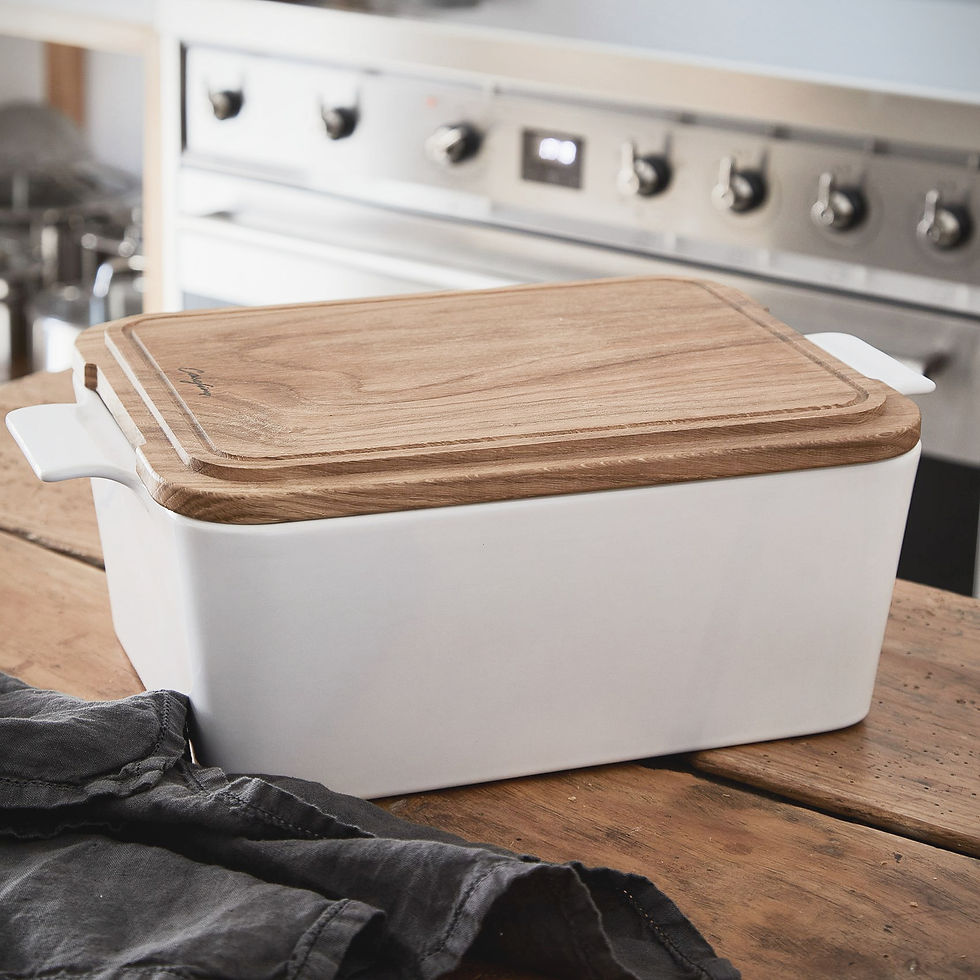
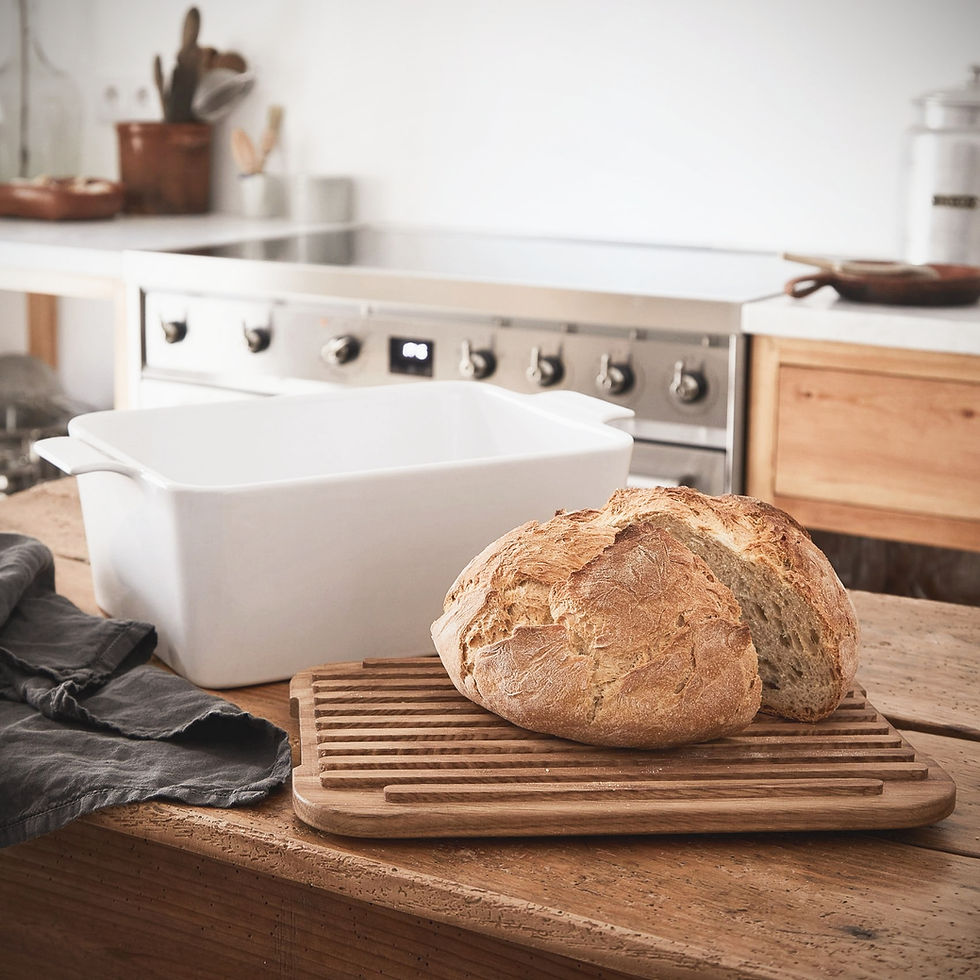


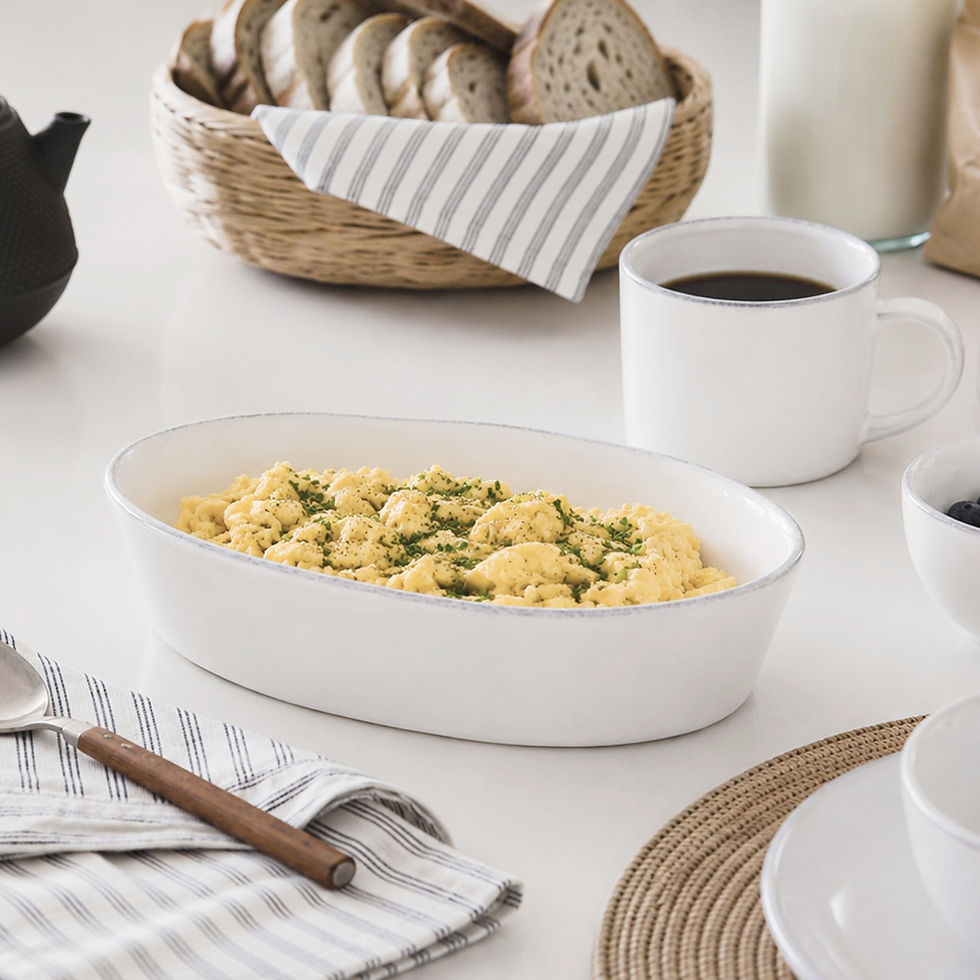


What Makes Bakeware Healthy, Non-Toxic, and Eco-Friendly?
Healthy, non-toxic bakeware are often defined less by one perfect label and more by a combination of qualities that support healthier cooking.
Many shoppers are looking for bakeware made with simpler, more transparent materials, especially for surfaces exposed to repeated oven heat. They also want pieces that last, perform consistently, and reduce the need for constant replacement. In practice, that often means choosing durable materials like stainless steel, glass, or well-made ceramic instead of flimsy pans with unclear surface treatments.
A healthier bakeware collection often includes a few qualities that matter most:
Eco friendly bakeware also supports sustainability because longer-lasting products usually create less waste over time. A pan that holds up well through years of baking is generally a better choice than one that warps, chips, or scratches quickly and needs to be replaced. This is one reason non-toxic, healthy bakeware and sustainable bakeware often overlap. A collection of healthy, non-toxic bakeware and a lower-waste kitchen frequently start with the same mindset: buy fewer, better things and use them well.
Why Use Healthy Bakeware in Your Home?
For many households, the biggest appeal of healthy, non-toxic bakeware is peace of mind. Since bakeware is used at high temperatures and comes into direct contact with food, shoppers often want materials that feel more straightforward and easier to evaluate. Instead of relying on complicated product claims, they may prefer pieces made from durable, familiar materials that fit into a more intentional kitchen. That can make everyday baking feel a little calmer and a lot more practical.
There are several reasons healthier households choose non-toxic, eco-friendly bakeware:
-
to reduce reliance on heavily coated or short-lived pans
-
to support more intentional food-contact choices
-
to create a lower-waste baking routine
-
to choose durable pieces that can stay in use for years
-
to simplify the kitchen with multi-purpose items instead of clutter
Healthy bakeware can also support healthier habits beyond the pan itself. When your bakeware works well with your dishware and utensils, you may find it easier to cook at home more often, batch bake, and prepare simple foods without extra packaging or convenience products. That does not make one pan a wellness solution, but it can help support the kind of kitchen routine that feels more grounded and less disposable. In a healthier home, those small choices tend to add up.

Practical Tips for Building a Healthier, Non-Toxic Bakeware Collection
Start with a safer everyday baker and a sheet pan
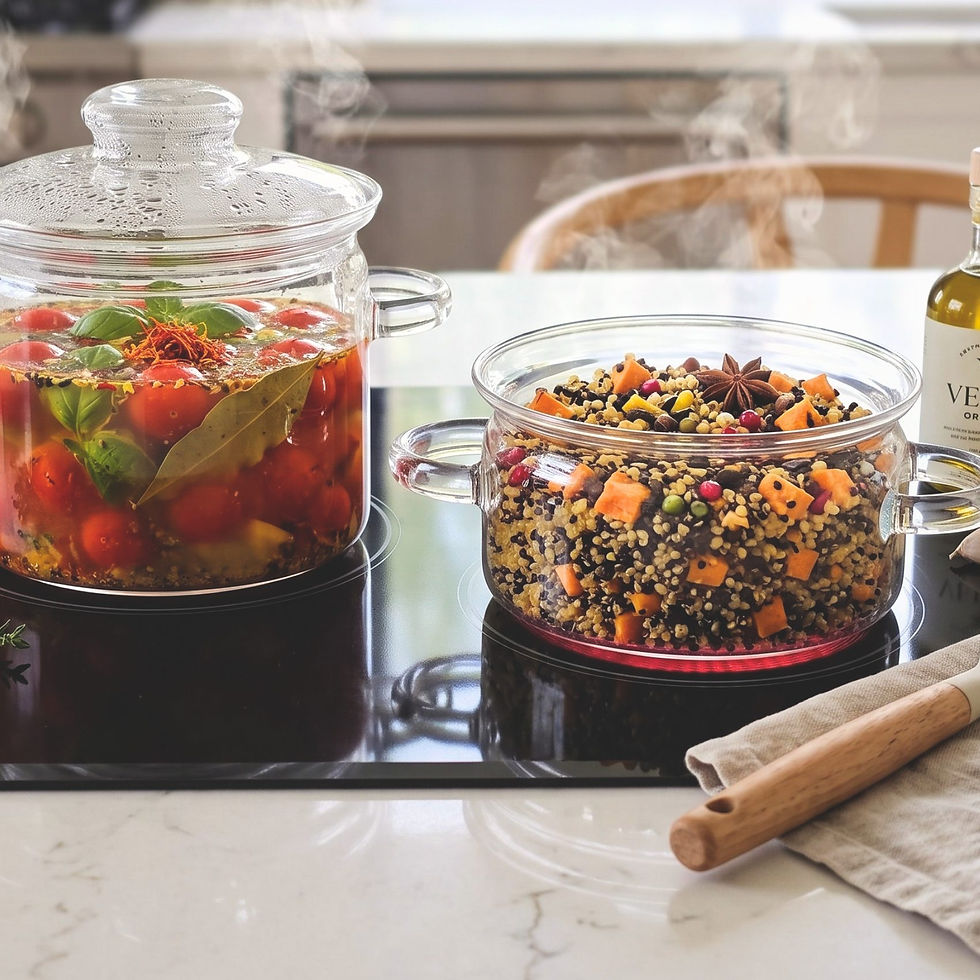
A glass casserole dish and ceramic baker are both all around winners in the kitchen. Also a sturdy sheet pan is often the most practical first step when building a healthier bakeware collection. It can handle vegetables, cookies, granola, sheet-pan dinners, and reheating leftovers, so it tends to get more use than almost any other piece. When you choose a well-made pan with a straightforward material and solid construction, you are creating a more dependable foundation for everyday cooking. That can make it easier to move away from disposable trays or older pans you no longer feel great about using.
This kind of upgrade also supports both health and sustainability at the same time. A durable pan that performs well helps reduce waste because you are not replacing it constantly or reaching for one-time-use alternatives. It can also give you more confidence about what is touching your food on a regular basis. If you only replace one piece first, a reliable sheet pan is often the most useful place to begin when shopping for non-toxic, healthy bakeware.
Choose baking dishes with made of food-contact materials
A good baking dish can make everyday meals feel simpler and more intentional. Glass and well-made ceramic are often popular choices because they are familiar materials, useful for oven-to-table serving, and easy to build into a lower-clutter kitchen. For shoppers focused on healthy, non-toxic bakeware, this category can be especially appealing because the material is often easier to understand at a glance than some heavily marketed alternatives. That clarity matters when you are trying to make thoughtful choices about what touches your food.
A multi-purpose baking dish also supports healthier routines by making home-cooked meals more convenient. The same dish may work for baked pasta, casseroles, brownies, fruit crisps, or reheatable leftovers, which can help reduce reliance on takeout containers or throwaway bakeware. This kind of flexibility is part of what makes healthy bakeware so practical. When one piece can bake, serve, and store, it often earns its place in the kitchen.
Add specialty pans based on what you actually bake
It is easy to overbuy bakeware when a set looks complete or aesthetically pleasing. A healthier approach is to choose specialty pans based on the foods you really make, such as a loaf pan for banana bread and meatloaf or a muffin tin for breakfast bakes and snacks. That kind of restraint helps keep your kitchen more functional and less crowded. It also makes it easier to focus your budget on better materials and better construction.
This approach supports sustainability because the most eco-friendly bakeware is often the bakeware you actually use. Pieces that sit untouched in a cabinet do not add much value, no matter how beautiful or well marketed they are. A smaller collection also makes it easier to care for what you own. When your bakeware fits your real routine, it is more likely to stay in rotation for years.
Use simple release methods Instead of relying on sprays and disposables
One easy way to support a healthier baking routine is to rely on basic release methods instead of defaulting to aerosol sprays, excess liners, or single-use tools every time you bake. A light layer of oil or butter, applied with a brush or cloth, can often do the job well when paired with quality bakeware. That keeps the routine simple and may help you use fewer extra products in the kitchen. It can also make cleanup feel more predictable over time.
This is where non-toxic, healthy bakeware and lower-waste habits begin to reinforce each other. When a pan performs well, you do not need as many workarounds to get reliable results. That can mean less dependence on throwaway parchment for every recipe and less clutter from baking products you only use occasionally. Healthier kitchens often come together through these small, repeatable habits rather than one dramatic overhaul.
Avoid habits that can damage your pans.
Even the best bakeware will not last as long if it is exposed to unnecessary stress. Sudden temperature swings, harsh cleaning, or stacking pieces carelessly can increase the risk of warping, cracking, or damaging the food-contact surface. Letting pans cool slightly before washing and following the basic care guidance for the material can make a meaningful difference. This is especially important for pieces you want to keep in long-term rotation.
From a healthier-home perspective, durability matters because damaged pans are more likely to be replaced frequently or downgraded into “good enough” tools you keep using reluctantly. Taking care of your bakeware supports both sustainability and confidence in your kitchen tools. A piece that stays functional and in good condition is easier to keep using with peace of mind. In many homes, maintenance is part of what makes a product truly sustainable.
Batch bake to support healthier, lower-waste routines
If you already have the oven on, using that heat more intentionally can make your kitchen routine both healthier and more efficient. Batch baking lets you prepare muffins, roasted vegetables, breakfast items, or simple snacks in one session rather than several separate ones. That may help reduce energy use while also making it easier to keep nourishing, homemade foods on hand. For many households, that convenience can support more consistent cooking at home.
Batch baking also helps you get more value from a smaller bakeware collection. A few dependable pans can go a long way when you use them thoughtfully instead of filling cabinets with specialty pieces. This supports the idea that healthier, sustainable kitchens are often built on rhythm and repetition rather than excess. The right bakeware does not just help you bake more easily. It can also help you create routines that feel less wasteful and more supportive of everyday wellbeing.
Prioritize materials that feel clean, simple, and durable
Bakeware with timeless materials tends to work best in kitchens designed around natural living. Stainless steel, glass, and understated ceramic often feel calmer and more versatile than trendy finishes or overly decorative sets. They also tend to fit more naturally with the look of a modern organic kitchen. When the materials feel grounded and useful, the whole collection can feel more intentional.
This matters for more than aesthetics. A pan you enjoy using and displaying is more likely to stay in regular rotation, which supports both sustainability and long-term value. Materials that feel visually quiet can also make it easier to resist frequent “upgrades” driven by style rather than need. In a healthier home, timeless design often supports more mindful buying.
Pay attention to details, not just product photos
Transparency is important. Look for listings that clearly state the base material, explain the finish, and offer realistic care instructions. This is especially important when shopping for non-toxic, healthy bakeware, where shoppers often want a better understanding of what the food-contact surface actually is. The more specific the listing, the easier it is to compare options thoughtfully.
This kind of attention can help you avoid vague claims that sound reassuring without offering useful detail. If a product description leans heavily on buzzwords but does not explain what the pan is made from, it may be worth moving on. Better transparency often leads to better long-term satisfaction. In a healthier home, clarity is a feature.
Designer Tips for Creating a Funtional Bakeware Collection
Keep your bakeware collection cohesive and easy to pair
A calmer kitchen often comes from choosing pieces that visually relate to one another without needing to match perfectly. Clear glass, brushed metal, and soft neutral ceramic can create a cohesive look that feels functional rather than overstyled. This can help the kitchen feel more open and less visually busy, especially if your bakeware is stored on visible shelves or in partially open cabinetry. Simplicity usually ages better than novelty.
A cohesive collection is also easier to maintain because every piece feels like part of the same system. That makes it less tempting to buy random duplicates or replacements that do not really fit your needs. In practice, visual clarity can support practical clarity. A well-edited kitchen is often easier to use consistently and enjoy daily.
Choose shapes that store well and are usable
Beautiful bakeware still needs to be functional enough for everyday life. Pans that stack well, fit standard cabinets, and move easily from oven to table are usually the most useful in the long run. Rectangular baking dishes, standard loaf pans, and classic muffin tins often outperform awkward novelty shapes because they are easier to store and easier to reach for regularly. Practical proportions help reduce friction in daily use.
This is one of the simplest design principles that supports sustainability. When bakeware is hard to store or frustrating to use, it often gets pushed aside, duplicated, or replaced. Pieces that fit naturally into your kitchen are more likely to stay useful for years. That makes storage-friendliness part of a healthier, lower-waste buying strategy.
Choose bakeware that compliments your dishware & other food-contact items
If you are already upgrading what touches your food, it can make sense to think about how your bakeware pans relate to the rest of your kitchen, including serving pieces, storage, and table settings. For example, shoppers focused on cleaner food-contact choices may also want to explore organic dinnerware and other thoughtfully selected kitchen essentials. Looking at categories together can make your choices feel more cohesive.
This approach also helps you avoid treating healthy-home shopping like a series of unrelated purchases. When your kitchen choices are connected by the same priorities, it becomes easier to build a home that feels consistent in both function and values. You do not need to replace everything at once. You just need a clear direction and a few strong next steps.
Build a collection that supports health, simplicity & nutritious meals
The best healthy, non-toxic bakeware collection is one that helps you cook with more confidence and less clutter. That usually means choosing pieces that feel dependable, easy to care for, and aligned with your broader healthy-home priorities. Instead of chasing a perfect set, focus on building a group of pans and dishes that serve you well week after week. Over time, that kind of consistency often matters more than any single feature claim.
This is the real wrap-up principle behind sustainable bakeware. Healthier kitchens are often built through small, thoughtful choices that reduce uncertainty, reduce waste, and make everyday cooking feel easier. When you choose bakeware with durable materials, clearer surfaces, and real staying power, you are supporting both your home and your routines. A calmer, healthier kitchen usually starts with tools you trust.
FAQs About Healthy, Non-Toxic Bakeware:
What is the healthiest type of bakeware to use?
Many people feel most comfortable starting with healthy, non-toxic bakeware made from more straightforward, familiar materials like stainless steel, glass, and well-made ceramic. The best choice depends on how you bake and what type of pan you need, but in general it helps to prioritize durability, transparency, and food-contact surfaces that feel easier to understand. A healthier option is usually one that performs well, lasts a long time, and fits naturally into your routine. For most kitchens, consistency and clarity matter more than chasing perfect marketing language.
It can also help to think in terms of everyday use rather than one “perfect” material. A sturdy sheet pan you use constantly and care for properly may be a better non-toxic, healthy bakeware choice than a product with impressive marketing but vague material details. The goal is to build a collection that feels dependable, practical, and aligned with your healthy-home priorities. When your bakeware feels straightforward and trustworthy, baking at home can feel easier too.
Is healthy, non-toxic bakeware the same as other healthy bakeware options?
Not exactly, though the two ideas overlap a lot. Non-toxic bakeware usually points more directly to concerns about food-contact materials and surfaces used under heat, while healthy bakeware is a broader phrase that may also include durability, everyday usability, and how well a product fits into a lower-exposure kitchen. In many cases, shoppers use both terms because they are looking for safer-feeling options that support a healthier home overall. That is why transparency is so important.
Instead of assuming one label tells you everything, it is usually better to look at what the piece is actually made from and how it is finished. A product may be marketed as healthy, non-toxic bakeware, but the description should still make the base material and surface information clear. The same is true for non-toxic, healthy bakeware claims. The most useful approach is to focus on durable materials, practical design, and product listings that explain what you are buying.
Why does sustainable bakeware matter in a healthy home?
Sustainable bakeware supports a healthy home because it often overlaps with the same qualities people want for wellness-focused kitchens: durability, reduced waste, and more intentional material choices. A well-made pan can help you rely less on disposable trays and replace products less often over time. It can also support more home cooking, which many households value as part of a calmer, more nourishing routine. In that sense, eco friendly bakeware is not only about the environment. It is also about creating a more thoughtful daily kitchen experience.
There is also a practical connection between sustainability and healthy bakeware. Products that last longer, work consistently, and do not need constant replacement usually create less stress and less clutter in the kitchen. That can make it easier to stick with home-cooked meals and more intentional food routines. In many homes, the healthiest products are not always the most complicated ones. They are often the simple, durable ones you trust and actually use.
Do I need to replace all my bakeware at once?
No, and for most people that is not the most practical approach. It is usually better to start with the pieces you use most often, like a sheet pan or baking dish, and upgrade gradually from there. This makes it easier to choose better products without overspending or overbuying. It also helps you build a collection that is based on how you really cook, not just what comes in a bundled set.
A gradual approach also gives you time to learn what healthy, non-toxic bakeware works best for your household. You may discover that one sturdy sheet pan and one versatile baking dish cover most of your needs, while other specialty pieces can wait. That kind of selective upgrading often leads to a more functional kitchen and a more intentional shopping process. Small changes tend to be easier to sustain than a full reset.
What other kitchen categories pair well with a non-toxic bakeware upgrade?
Dinnerware is one of the most natural next categories to explore because it also involves regular food contact and daily use. If you are already thinking more intentionally about what you bake in, you may also want to look at lead-free dinnerware and other kitchen essentials that support a healthier home. Building out your kitchen one category at a time can feel much more manageable than trying to change everything at once. It also makes it easier to stay focused on the pieces that have the biggest impact on your daily routine.
You can also think about how bakeware connects to the broader food-contact side of the kitchen, including serving pieces, cookware, and storage. Looking at these categories together can help you build a kitchen that feels more cohesive in both style and function. It also creates natural opportunities to make your home healthier in manageable stages. For many people, that step-by-step process is what makes a healthy-home upgrade feel realistic.